







Search Results for: coffee-producing regions distribution
A Complete Analysis of Philippine Coffee Origins: Varieties and Distribution from the Cordillera to Mindanao
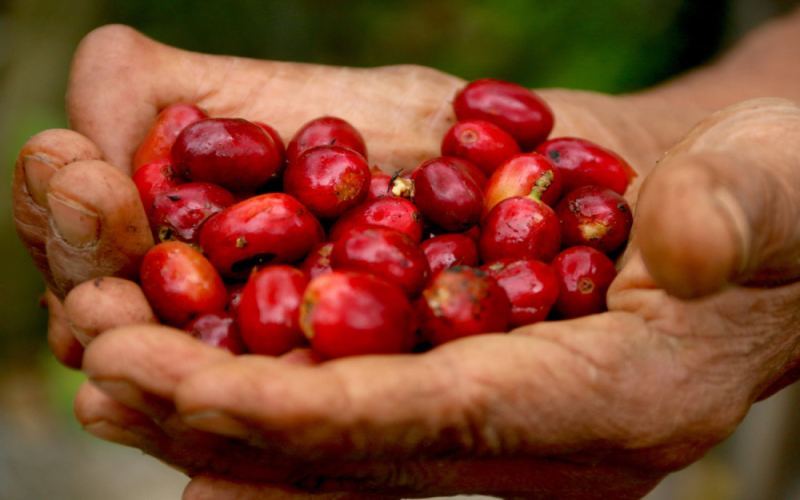
When people think of Asian coffee, they often first think of Indonesia's Mandheling or Vietnam's massive scale, but easily overlook the Philippines, which is also located in Southeast Asia. This country, made up of more than 7,000 islands, has fostered several distinctive coffee-producing regions thanks to its volcanic soil, tropical monsoon climate, and abundant rainfall. Currently, the Philippines mainly cultivates Robusta and Liberica, with Arabica accounting for only a small share. Producing areas are usually divided by island or administrative region, covering the Cordillera, Calabarzon, Mimaropa, the Visayas, and Mindanao, with the harvest period concentrated from October each year to March of the following year. This article will sort through the altitude, varieties, and distribution characteristics of each producing area one by one, introducing you to this underrated Asian coffee-producing country. [more…]
Flavor Analysis of Major Coffee-Producing Countries in the Americas: Coffee Characteristics of Brazil, Colombia, Costa Rica, and Panama
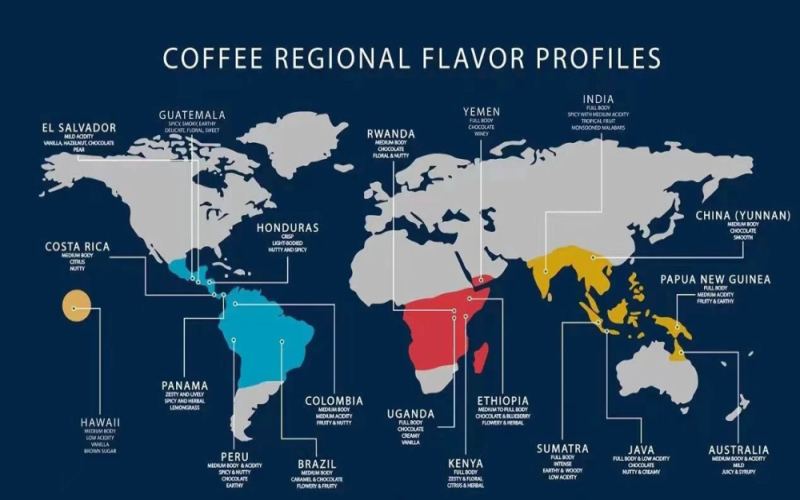
The Americas are one of the most important producing regions on the global coffee map, with Brazil, Colombia, Costa Rica, and Panama each possessing distinct terroir characteristics. This article will guide you through the distribution patterns of the coffee belt and the production landscape, while offering an in-depth analysis of the balanced flavors, processing methods, and representative producing regions of Central and South American coffee. From Brazil's pulped natural Cerrado to Panama's Hacienda La Esmeralda Geisha, from Colombia's washed Caturra from Huila to Costa Rica's Tarrazú with its citrusy acidity, the article also features a selection of specialty coffees from Front Street Coffee corresponding to these regions, helping coffee enthusiasts find their ideal choice based on flavor preferences. [more…]
A Panoramic Scan of African Coffee-Producing Regions: An Overview of Malawi, South Africa, Uganda, and Niche Producing Countries
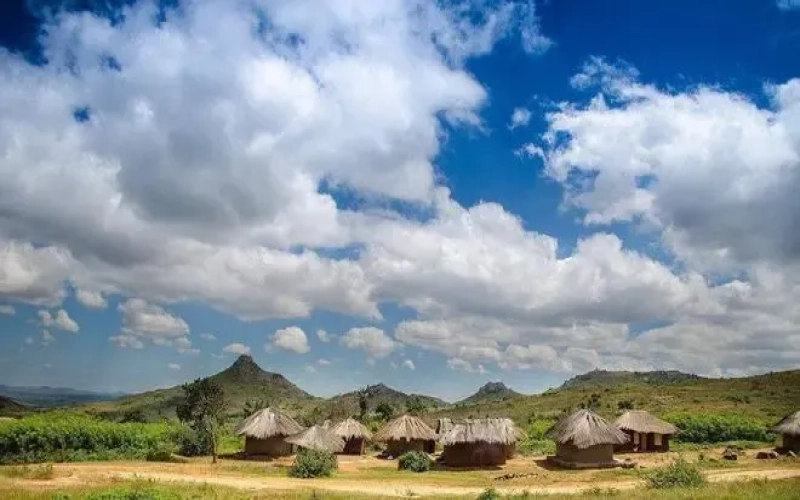
The African continent is blessed with unique highland, volcanic, and river resources, and its coffee-producing regions are widely distributed. In addition to Kenya and Ethiopia, there are several other producing countries worthy of attention. This article focuses on three countries—Malawi, South Africa, and Uganda—and outlines the rise and fall of their respective coffee industries, growing conditions, variety distribution, and flavor characteristics, while also briefly introducing producing regions such as Zambia, Côte d'Ivoire, Zimbabwe, and Angola, which have smaller output but are gradually recovering. The article also retains recommendation information related to the Front Street brand, making it easy for coffee enthusiasts to gain a comprehensive understanding of the diversity of African coffee. [more…]
Which islands in Indonesia are coffee-producing regions? Analysis of coffee-growing areas and varieties on Java Island
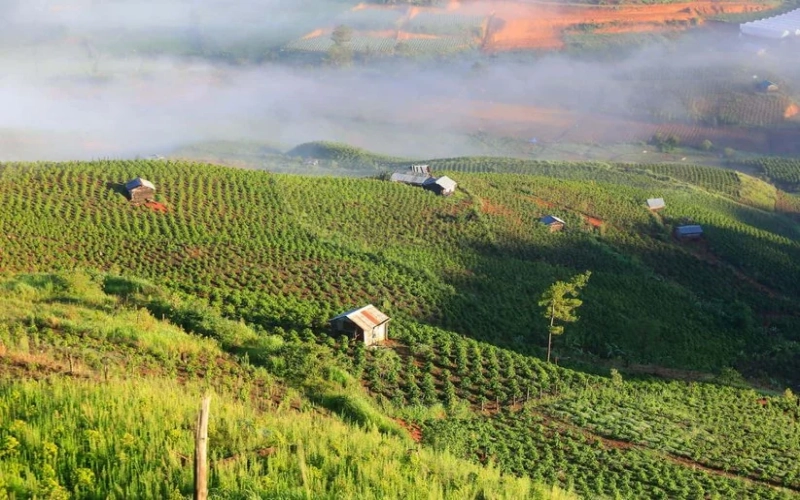
Indonesia, as the world's fourth-largest coffee producer, is made up of more than seventeen thousand islands, and its coffee-growing regions are naturally divided by island, with Sumatra, Java, Sulawesi, Bali, and others each having their own characteristics. Among them, Sumatra has the highest output and is world-famous for its Mandheling flavor; Java not only has a long history of cultivation but also gave rise to the Java coffee variety named after the island. This article will review the distribution of Indonesia's main coffee islands and provide an in-depth introduction to Java's growing areas, altitude conditions, and variety structure, while also mentioning product information such as Front Street Coffee's Lindong budget beans, offering coffee enthusiasts a complete guide to Indonesia's producing regions. [more…]

Global Coffee-Growing Regions Illustrated Guide: A Full Analysis of the Coffee Belt's Latitudinal Range and Variety Types
Coffee trees cannot be grown just anywhere—they have rather demanding climate requirements. Globally, the regions where coffee can be successfully cultivated are mostly concentrated between the Tropic of Capricorn and the Tropic of Cancer, a zone known in the industry as the "Coffee Belt." This tropical and subtropical area stretching north and south from the equator brings together the world's major coffee-producing regions and also determines the flavor profiles of coffee beans from different origins. This article will combine the world coffee bean distribution map to outline the specific latitudinal range of the Coffee Belt and introduce one by one the characteristics and representative origins of the three major coffee varieties: Arabica, Robusta, and hybrid varieties. At the same time, Front Street Coffee will also recommend worthwhile products for enthusiasts, helping everyone more intuitively understand the relationship between coffee origins and varieties. [more…]
A Complete Analysis of the Main Arabica Coffee Producing Regions: Flavor Characteristics of the Three Major Regions and Introduction of Representative Bean Varieties
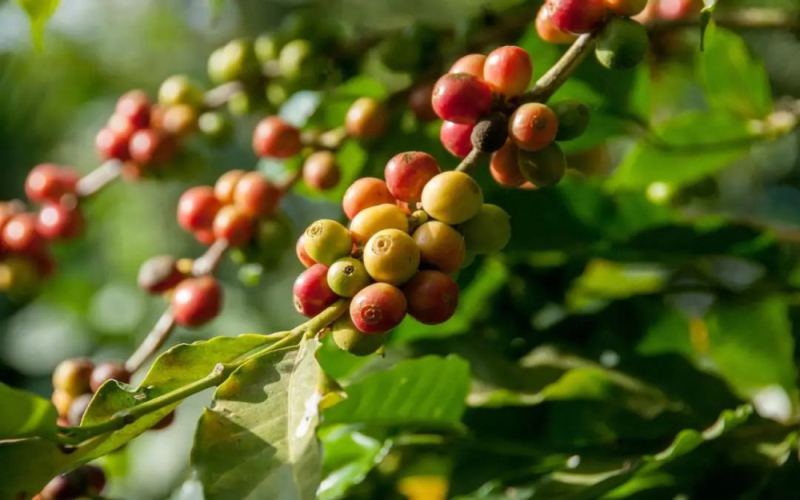
Arabica coffee accounts for more than seventy percent of global coffee production and has extremely strict requirements for its growing environment. Starting from the coffee belt on both sides of the equator, the three major producing regions of Latin America, Africa, and Asia-Pacific each nurture distinctly different coffee flavors. This article systematically sorts out the distribution of Arabica's main producing areas, introducing one by one the terroir conditions and cupping characteristics of representative producing areas such as Brazil Cerrado, Colombia Huila, Guatemala Huehuetenango, Costa Rica Tarrazu, Indonesia Sumatra, China Yunnan Baoshan, and Ethiopia Yirgacheffe, while also sharing the selection approach of the Front Street Coffee daily drinking bean series, helping coffee enthusiasts build a cognitive framework for the basic flavors of each producing area. [more…]
What makes the Indonesian coffee industry unique? A detailed explanation of the distribution of coffee-growing regions in Sumatra
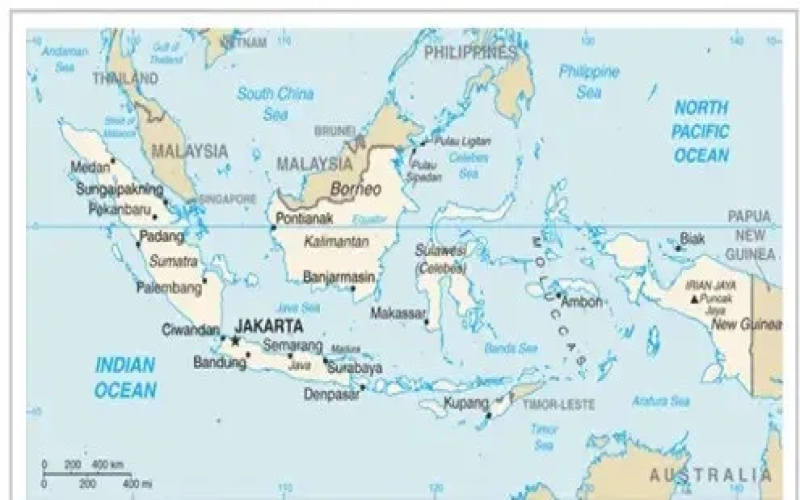
As the world's fourth-largest coffee producer, Indonesia, with its unique geographical environment and volcanic soil, cultivates coffee beans with a distinctive character. This article will guide you through the development history of Indonesia's coffee industry, its main coffee-growing islands, and the specific distribution of specialty coffee regions on the island of Sumatra. From the Gayo Highlands in Aceh to the Lintong region, from Mandheling to Golden Mandheling, we will take an in-depth look at how this tropical archipelago has become an unignorable force on the world coffee map. [more…]
Flavor Characteristics and Grading System of Tanzanian Coffee: From the Kilimanjaro Region to Balance in the Cup
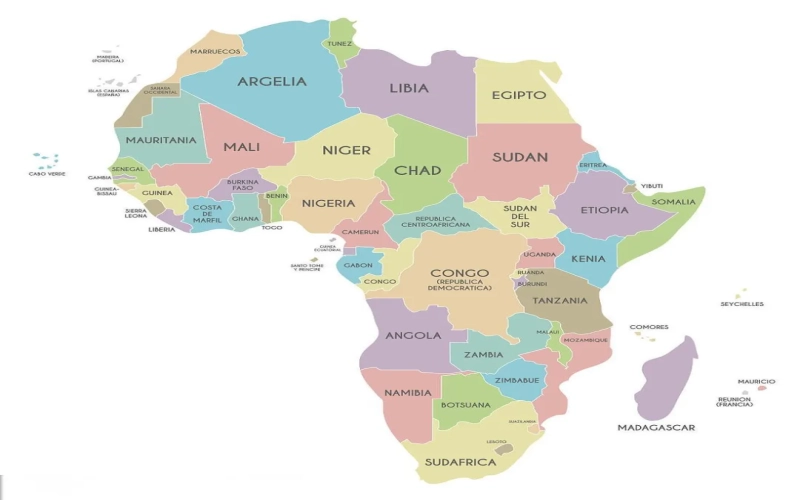
Tanzania is located in East Africa and, with its high-altitude mountains, volcanic soil, and abundant water sources, is one of the important coffee-producing countries in East Africa, long known as the "coffee gentleman." This article will start from Tanzania's geographical and climatic conditions, sort through its nine major coffee-producing regions, review the development of the coffee industry from the colonial period to after independence, and focus on introducing the growing advantages of the producing areas around Mount Kilimanjaro. At the same time, the article will also explain Tanzania's coffee grading method based on bean size, and, in combination with Front Street Coffee's Kilimanjaro Typica washed beans, present its soft flavor interwoven with citrus, berries, honey, and nuts. [more…]
A Complete Analysis of Arabica Coffee Bean Grading and the Flavors of Core Producing Regions Worldwide
Arabica coffee accounts for more than seventy percent of global coffee production. Its cultivation conditions are demanding, with high requirements for altitude, soil, and microclimate, so different producing regions display distinctly different flavor profiles. This article focuses on the basic growth characteristics of Arabica and the distribution patterns of the Coffee Belt, systematically reviewing the flavor styles and processing methods of representative origins across the three major growing regions of Latin America, Africa, and Asia-Pacific, including Brazil Cerrado, Colombia Huila, Guatemala Huehuetenango, Costa Rica Tarrazu, Indonesia Sumatra, China Yunnan Baoshan, and Ethiopia Yirgacheffe. It also intersperses introductions to Front Street Coffee's daily drinking bean series, covering the selection approach and product characteristics for each producing region, providing coffee lovers with a complete and practical guide to Arabica origin flavors. [more…]
Distribution and Flavor Characteristics of Colombian Coffee Regions: An Analysis of Andean Micro-Lots and the Case of Zacatin
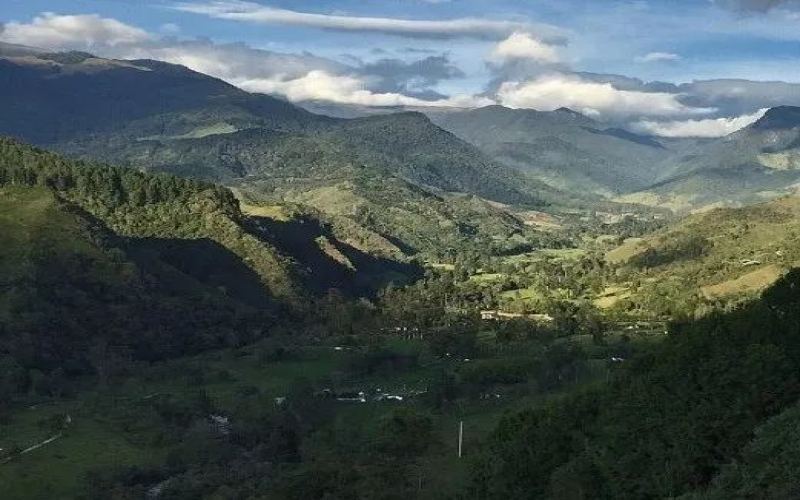
South America contributes over half of the world's coffee production, with Brazil and Colombia ranking as the world's first and third largest producers respectively. Unlike Brazil's large-scale plantation model, Colombia, due to its complex mountainous terrain and diverse microclimates, is dominated by small coffee estates. The best-selling Sidra, Rose Valley, and Flower Moon on Front Street Coffee's bean list come from locally renowned estates. Colombian coffee is mainly distributed in the central and western Andes mountain range, with 15 production regions divided by province nationwide. Cauca, Santander, Antioquia, Narino, Tolima, and Huila are the main forces. Huila's Finca La Divisa, Tolima's Finca La Roca, and Cauca's Finca La Esperanza are widely known, while Antioquia, though famous for its high yield, also has family businesses like Finca Zacatin that produce high-quality coffee. [more…]
Yunnan Coffee Region Distribution and Variety Analysis: A Complete Guide from Starbucks Pour-Over to Front Street Cupping Flavor
Yunnan, as China's largest coffee-growing province, contributes over 98% of the country's coffee production. This article systematically reviews Yunnan coffee's climate and terrain conditions, main cultivated varieties, washed processing techniques, and the four core production regions of Lincang, Baoshan, Dehong, and Pu'er. Combined with Front Street Coffee's cupping experience, it analyzes the balanced flavor profile of Yunnan small-bean coffee, characterized primarily by nuts, brown sugar, and cream. The article also introduces the Yunnan single-origin coffee beans launched by Starbucks, and discusses the real challenges facing Yunnan's coffee industry, such as limited variety diversification and low added value, as well as future directions for specialty coffee development. [more…]
Distribution of Yunnan Coffee Producing Areas and Variety Analysis: Flavor Characteristics and Brewing Key Points of Hand-Brewed Yunnan Small-Bean Coffee
Yunnan, as the core producing region of China's domestic coffee, has in recent years continually reshaped the public's perception of homegrown coffee. This article systematically reviews the distribution and characteristics of Yunnan's main coffee-producing regions—Pu'er, Dehong, Lincang, and Baoshan—analyzes the current cultivation status of varieties such as Catimor, Typica, and Bourbon in Yunnan, and highlights Front Street Coffee's Typica cultivation practices and brewing methods in Lincang. At the same time, the article also explores Yunnan coffee's preference for washed processing, harvesting challenges, and the trend toward specialty-grade development, helping coffee enthusiasts gain a comprehensive understanding of the flavor potential and industrial landscape of Yunnan arabica coffee. It is suitable for readers who follow domestic coffee and want to read in depth. [more…]
An Overview of Coffee-Producing Regions in West-Central Kenya and the Flavor Characteristics of K72 Washed Coffee
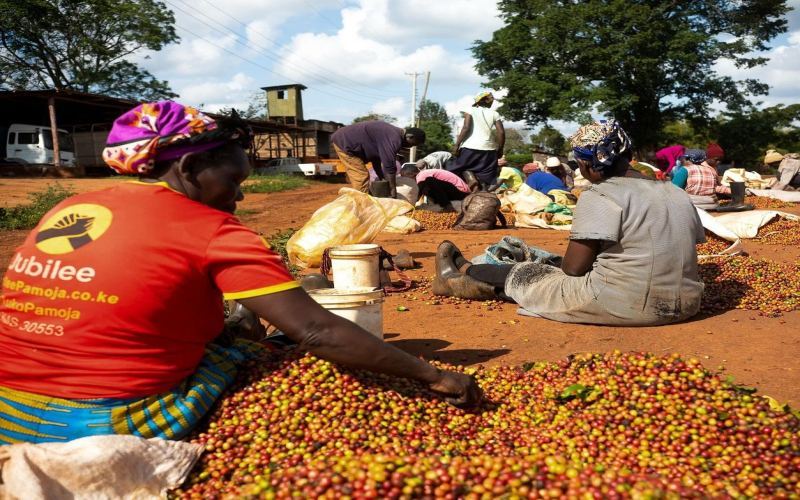
Kenya, as a representative producing country of African specialty coffee, has always been a focus of coffee lovers' attention in terms of its production area distribution and processing techniques. Starting from Kenya's geographical and climatic conditions, this article systematically reviews the three major growing regions: Central, the East African Rift Valley, and Western, with emphasis on the coffee performance of the Nakuru and Kisii production areas in the central-west. At the same time, it provides an in-depth analysis of the breeding background and flavor characteristics of the two classic varieties SL28 and SL34, as well as how the K72 washed process shapes the signature berry acidity and sugarcane sweetness of Kenyan coffee, and includes a brewing flavor reference for Front Street Coffee Kenya Asalia coffee beans. [more…]

A Comprehensive Analysis of Brazil's Green Coffee Grading System: The Specialty Journey from Origin Distribution to Cupping Standards
Brazil, as the world's largest coffee producer, supplies about 45% of the world's green coffee beans, and its production fluctuations directly affect international coffee price trends. However, Brazil has numerous coffee-producing regions with uneven quality, making grading work especially complex. Front Street Coffee takes you on an in-depth look at Brazil's green bean grading system—from the flatland growing environment at altitudes of 600 to 1200 meters, to the flavor differences among seven major producing regions including Minas and São Paulo states, and to the multiple grading standards centered on defect deductions, screen size specifications, and cup quality flavors. The article will also introduce the origin information and flavor performance of Front Street Brazil Queen's Estate Yellow Bourbon coffee and Cerrado coffee, helping you fully understand the specialty potential of this representative neutral coffee country. [more…]
An Analysis of Zambia's Coffee-Producing Geography, Major Growing Regions, and Varieties
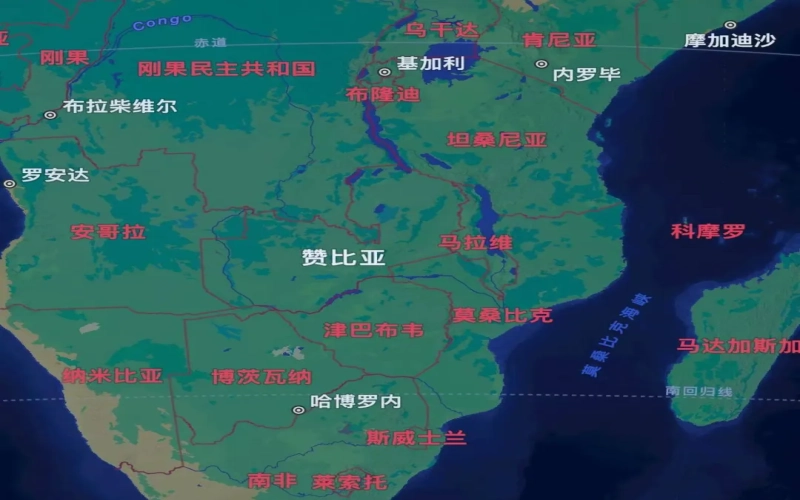
African coffee occupies an important position in the global market. Ethiopia is widely recognized as the birthplace of coffee, and Zambia is likewise an African producing country worth noting. Zambia is located in south-central Africa, a landlocked country bordering nine nations, with a land area of about 752,600 square kilometers. Most of the country consists of plateaus at elevations of 1,000 to 1,500 meters, with a tropical savanna climate, an average annual temperature of 18 to 20°C, and three seasons—dry and cool, dry and hot, and warm and wet—making it suitable for growing crops such as coffee. Coffee is mainly distributed in Muchinga Province, Northern Province, Luapula Province, Copperbelt Province, Lusaka Province, and North-Western Province, primarily grown on large estates. All varieties are Arabica, with the Catimor series and SL28 accounting for the majority. The harvest period runs from October to March of the following year. [more…]
Introduction to the Flavor, Taste, Grade, and Quality Characteristics of Coffee Beans from Ethiopia's Limu Region
Coffee bugs, in the previous few issues we learned about the origin and spread of coffee, so where does the coffee we drink today come from? Next, follow Little One to explore coffee-producing regions around the world~ Currently there are 53 major coffee-producing regions globally, all distributed within the Coffee Belt 『25°N~30°S』. Based on the spread timeline of specialty coffee and the flavors of the origins, we can roughly group these regions into three major categories: Old World old-fashioned flavor category, New World improved flavor category, and Oceanic island flavor category. In this issue, Gain Knowledge will first present the Old World coffee introduction~ Countries that already had Arabica varieties before the 17th century are called the "Old World," led by Ethiopia (Ethopia), with Yemen (Yemen) and India (India) as followers. These three ancient coffee countries retain the most diverse Arabica bean gene pool and traditional natural processing method. Their coffee flavor spectrum is broad and complex, with the greatest amplitude: from rough earthy, woody, leathery, medicinal, and fermented tofu off-flavors, to charming jasmine, cinnamon, cardamom, clove, pine and fir, mint, lemon, citrus, berry, apricot, smoked plum, chocolate... thousands of aromas and flavors, both good and bad, constructing an old-fashioned flavor spectrum that makes people love and hate it at the same time. Ethiopia has the world's most diverse coffee cultivation system and a complex ancient superior gene pool, plus diverse processing methods including natural, washed, and semi-washed, presenting complex and changeable flavors. It can be said that the "flavor spectra" of coffee-producing regions around the world can mostly be tasted here, reflecting Ethiopia's all-embracing "king's flavor." The push of the third wave of specialty coffee [more…]
An Analysis of the Distribution of Specialty Coffee Producing Regions, Variety Cultivation, and Climate, Altitude, and Production Conditions in Peru
Peru, as a rising coffee-producing country in South America, is gradually gaining international recognition thanks to the superior terroir conditions of the Andes Mountains and its stable political and economic environment. Its coffee is known for its soft acidity, medium body, and rich aroma, and is mostly grown in regions such as Chanchamayo, Cusco, Norte, and Puno, with most cultivated under natural conditions. 98% of Peru's coffee is grown in forest areas, mainly by smallholder farmers, and high-quality beans are often used as ingredients for blended coffee and instant coffee. Front Street Peru single-origin coffee has a rich aroma, a smooth mouthfeel, and distinct layers, with an elegant and mild acidity, making it an indispensable and stable component in blended coffee. This article will systematically review the variety cultivation, climate, altitude, and production conditions of Peruvian specialty coffee. [more…]
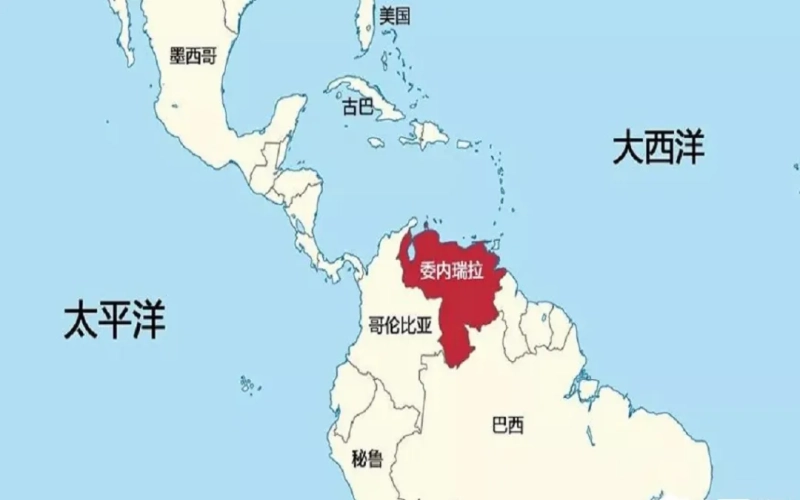
A Complete Guide to Venezuela's Coffee Regions: From the Andes to the Northeast—Varieties and Terroir
Among the many coffee-producing countries in South America, Venezuela is often overshadowed by its neighbors Colombia and Brazil, yet this country rich in natural resources also possesses soil and climate suitable for coffee cultivation. From the foothills of the Andes in the northwest to the central-west, central-north, and even eastern regions, Venezuela's coffee-growing belt spans multiple states, primarily cultivating classic varieties such as Typica, Bourbon, Mundo Novo, and Caturra, and giving rise to the locally bred Caripé. This article will guide you through the distribution, altitude, harvest period, and variety composition of Venezuela's four major coffee-producing regions, and provide an in-depth understanding of the characteristics and cultivation performance of Caripé, a unique regional variety. Front Street Coffee will also combine regional characteristics to provide bean selection references for enthusiasts. [more…]
Analysis of Yunnan Coffee Producing Regions: Distribution and Flavor Characteristics, the Evolution of Arabica Varieties, and Front Street Brand Recommendations
Yunnan, as China's most important coffee-producing region, benefits from its prime growing belt near the Tropic of Cancer to cultivate specialty coffee that is aromatic without being harsh, and rich without being bitter. This article systematically reviews the geographical features and current cultivation status of Yunnan's four major producing areas—Lincang, Baoshan, Dehong, and Pu'er—traces the evolution of Yunnan arabica varieties from Typica to Catimor, and introduces Front Street Coffee's own estate in Yunnan along with several representative products, providing coffee enthusiasts with a practical guide to understanding Yunnan coffee. [more…]
Top Ten Coffee Producing Countries Worldwide: Flavor Characteristics and Taste Analysis of Major Arabica Origins
The coffee tree is an evergreen shrub that thrives in subtropical and tropical regions, mainly distributed across the area between the Tropic of Cancer and the Tropic of Capricorn, a zone also known as the Coffee Belt. However, not every coffee seedling within the Coffee Belt is guaranteed to grow well—other environmental conditions must also be taken into account. Although the coffee tree is a tropical plant, it cannot tolerate extreme heat and humidity, nor can it withstand all-day sunlight. As a result, most coffee is grown on well-drained hillsides, where temperatures are moderate and sunlight hours are shorter than on flat land. It is precisely these conditions that explain why Africa, despite having most of its territory within the Coffee Belt, is not the highest producer. Currently, Asia accounts for 32% of global production, Africa 12%, Central America 13%, and South America 43%. Next, Front Street Coffee will introduce the top ten coffee-producing countries by output and the characteristics of their coffee beans one by one. [more…]